



How to Remove Excess Water from Your Body?
Swelling around the ankles and on the abdomen, puffy and moonlike face, fluctuations in body weight and cellulite – all these symptoms may indicate water retention in your body.
The reason for this may be a sedentary lifestyle, not enough physical activity, and an incorrectly balanced diet. In addition, these problems may be exacerbated by hormone imbalance or even hormone fluctuations during the menstrual cycle. The cause of water retention in the body may also be some diseases or taking certain medications.
Water retention has a negative impact both on our health and well-being. It is often the cause of dissatisfaction of women with their own appearance. In addition, this problem can significantly affect the functioning of our kidneys or cardiovascular system. In connection with the above, probably many of you ask the question: how to get rid of this problem? Certainly, changing some habits can help in the fight against excess water. Below I have prepared a few tips for you on how to get rid of excess water from the body.
Most of what follows comes down to two everyday habits, drinking enough and salting less, and both are easier to keep to when meals are planned rather than improvised. That is what the Diet & Training by Ann app is for: it puts the week’s meals and training into one plan, with a shopping list to match.
Remember about proper hydration
Ironically, we can get rid of water retention from our body by taking proper care of hydration. Remember that an adult woman should drink about 2 liters of liquids a day and an adult man about 2.5 liters. The recommended kind of liquid is mainly still mineral water. Nevertheless, drinking green or white tea can also effectively help get rid of excess water. We should avoid large amounts of coffee, alcoholic beverages and sweet fizzy drinks. There is a separate post on how much water we really need if you want to work out your own daily amount.
Reduce your salt intake
Another step you need to take to get rid of excess water from the body is limiting salt intake. Salt is a source of sodium necessary to maintain proper water-electrolyte and acid-base balance. However, excessive salt intake may cause edema and fluid retention. Remember that we should not only limit the amount of salt added to dishes, but also cut down on the consumption of salted products, eg breadsticks, pretzels, crackers, salted nuts, crisps, marinated products, canned and smoked products, cheese and cold meats, which often also contain large amounts of salt. High salt content is also found in highly processed foods, such as instant and powdered products.

How to read salt on a label
The salt you add at the table is the part you can see. Most of what people eat comes in already mixed into bread, cold cuts, cheese and ready meals, so the label is where the useful information is. Two things are worth knowing. First, many labels give sodium rather than salt, and the two are not the same number: multiply sodium by 2.5 to get the salt content. Second, the figures are usually printed per 100 grams, not per portion, so a value that looks small on a packet of crackers has to be multiplied by however much of the packet actually gets eaten. Comparing two products in the shop is easiest on the per 100 grams line, because portions differ between brands and the per portion line does not compare like with like. There are more practical ways of cutting down in the post on how to eat less salt, and a longer look at the subject in health effects of salt.
Increase the intake of products rich in potassium
Potassium deficiency may cause edema so increasing the intake may help get rid of water retention. The products which are high in potassium include: tomatoes, potatoes, avocado, bananas, and also dried fruit, such as figs and peaches, and some nuts. Apart from having a high potassium content, these products also contain substantial amounts of fiber, vitamins and other minerals.
Try out diuretic products
Products with diuretic properties include e.g. parsley, celery, parsnip, aubergine, and watermelon. Of these, the parsley has the strongest diuretic properties. It increases the volume of excreted urine, which effectively reduces fluid in the body. What’s more, parsley also helps in the treatment of kidney stones by reducing the deposition of calcium oxalate. Parsley (both leaves and root) can be freely added to all sorts of dishes. Leaves can be added to salads, soups or smoothies. It is better, however, to choose the dried leaves only when fresh parsley is not available. Dried leaves can also be used to prepare a herbal infusion which also has diuretic properties. A whole bunch goes into this parsley and chia smoothie if you are not sure what to do with the rest of it.

Go for herbs
Some herbs can be helpful in the fight against edema and water retention in the body. They include nettle, dandelion, and horsetail. Nettle has been used for ages as a traditional diuretic. Drinking nettle infusions regularly also positively affects the cardiovascular system and helps to relieve mild gastrointestinal complaints. Dandelion not only increases the urine output, but also has cholagogic and anti-inflammatory properties. Horsetail has been used in folk medicine as a diuretic and a detoxifying agent.
Have a bath with field horsetail!
I have such baths especially after a journey as they help regenerate the body and also provide deacidification. Preparation: soak a handful of common horsetail in cold water for about 8 hours. Then bring to a boil, and strain into the tub. Add warm water and bathe for 20 to 30 minutes. IMPORTANT!!! The bath shouldn’t be too warm!
Increase the level of your physical activity
Regular exercises are also helpful in getting rid of excess water from your body. Physical activity gives a boost to your metabolic processes and increases the excretion of water with sweat. Due to large loss of fluids and electrolytes during training, you should also remember to hydrate your body properly. If the hard part is deciding what to actually do on a given day, the Diet & Training by Ann app has ready plans for home and for the gym, so the session is chosen for you before you start.
Check out lymphatic drainage
If the above methods don’t work, try lymphatic drainage. The treatment is aimed at improving blood and lymph circulation as well as firming the skin. Lymphatic drainage also helps fight cellulite, edema, and heavy legs syndrome. The decision to carry out such a procedure should always be made after you have consulted your doctor. Cellulite has its own post here, with the causes and the treatments that are used.
When it is worth seeing a doctor
Everything above is about habits, and habits are the right place to start when the swelling comes and goes with the day, the heat or the time of the month. There are situations where it is not the place to start at all. Swelling that appears in one leg only, that comes with shortness of breath or chest pain, that arrives suddenly rather than gradually, or that does not go down at all after a night’s sleep, is worth showing to a doctor rather than treating with parsley. The same goes for swelling that starts after a new medication, since the leaflet, not the diet, is where the answer usually is. As the beginning of this post says, some diseases and some medicines cause fluid retention, and no amount of herbal tea will sort that out.
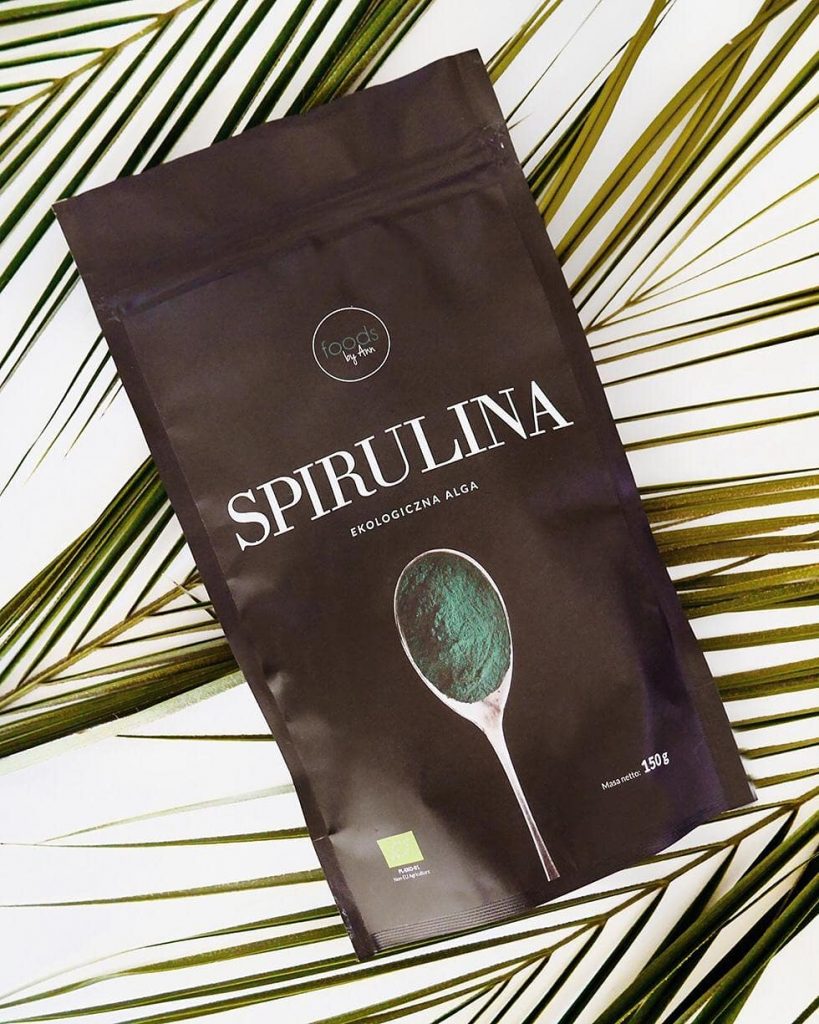
Use chlorella and spirulina!
They help in the fight against edema. Spirulina (Spirulina platensis) is a single-celled algae with a blue-green color. It owes its green color to chlorophyll, and blue to phycocyanin. Losing weight is often not as easy as it seems to be, especially with age. Meanwhile, the results of the study have shown that the consumption of chlorella leads to noticeable reduction of body fat, lowering of total cholesterol in the blood serum and fasting glucose. Start your morning with a fit smoothie! This smoothie bowl with chlorella is the easiest way in.
Frequently asked questions
Far more of it comes from shopping than from the salt cellar. This post names breadsticks, pretzels, crackers, salted nuts and crisps, marinated, canned and smoked products, cheese and cold meats, and highly processed instant and powdered products. Bread belongs on that list too, because a few slices a day add up even though no single slice tastes salty.
Multiply the sodium figure by 2.5. A label showing 0.4 g of sodium per 100 grams is therefore 1 g of salt per 100 grams. Check which of the two the packet actually gives, because the numbers look reassuringly small when they are sodium. The figures are also usually printed per 100 grams rather than per portion, so scale them to the amount you really eat.
The ones this post lists are tomatoes, potatoes, avocado and bananas, along with dried fruit such as figs and peaches, and some nuts. They are easy to work into ordinary meals: a tomato salad, a baked potato, half an avocado on toast or a banana blended into a smoothie.
Soak a handful of common horsetail in cold water for about 8 hours. Bring it to a boil, then strain the liquid into the tub, top it up with warm water and bathe for 20 to 30 minutes. The bath should not be too warm. Anna takes these especially after travelling.
The ones named in this post are parsley, celery, parsnip, aubergine and watermelon among the vegetables, and nettle, dandelion and horsetail among the herbs. Parsley is the one it singles out, and both the leaves and the root can go into salads, soups and smoothies, or be dried and brewed as an infusion. If you would rather have the whole week of meals worked out instead of assembling it dish by dish, the Diet & Training by Ann app does the planning and the shopping list.




Comments No Comments
Join the discussion…